


The Psoas Muscle: What Is It and How Can It Better Support You?
The psoas (pronounced “SO-as”) is a deep core muscle that plays a vital role in connecting your upper and lower body. When people refer to “the psoas,” they usually mean the psoas major—a long, powerful muscle that runs from the sides of the lower thoracic and lumbar vertebrae (T12 to L5) through the pelvis and attaches to the lesser trochanter of the femur (thigh bone).
Together with the iliacus muscle (which originates from the inner pelvis), the psoas major forms the iliopsoas, the body’s primary hip flexor. This duo is essential for lifting the leg toward the torso, stabilising the lumbar spine, maintaining posture, and supporting efficient movement like walking, running, and standing from a seated position.
There is also a smaller psoas minor muscle, which lies in front of the psoas major. However, it is inconsistent and absent in roughly 40–60% of people, with limited functional impact when missing. All of these structures sit deep within the abdomen and pelvis, making them difficult to access directly.

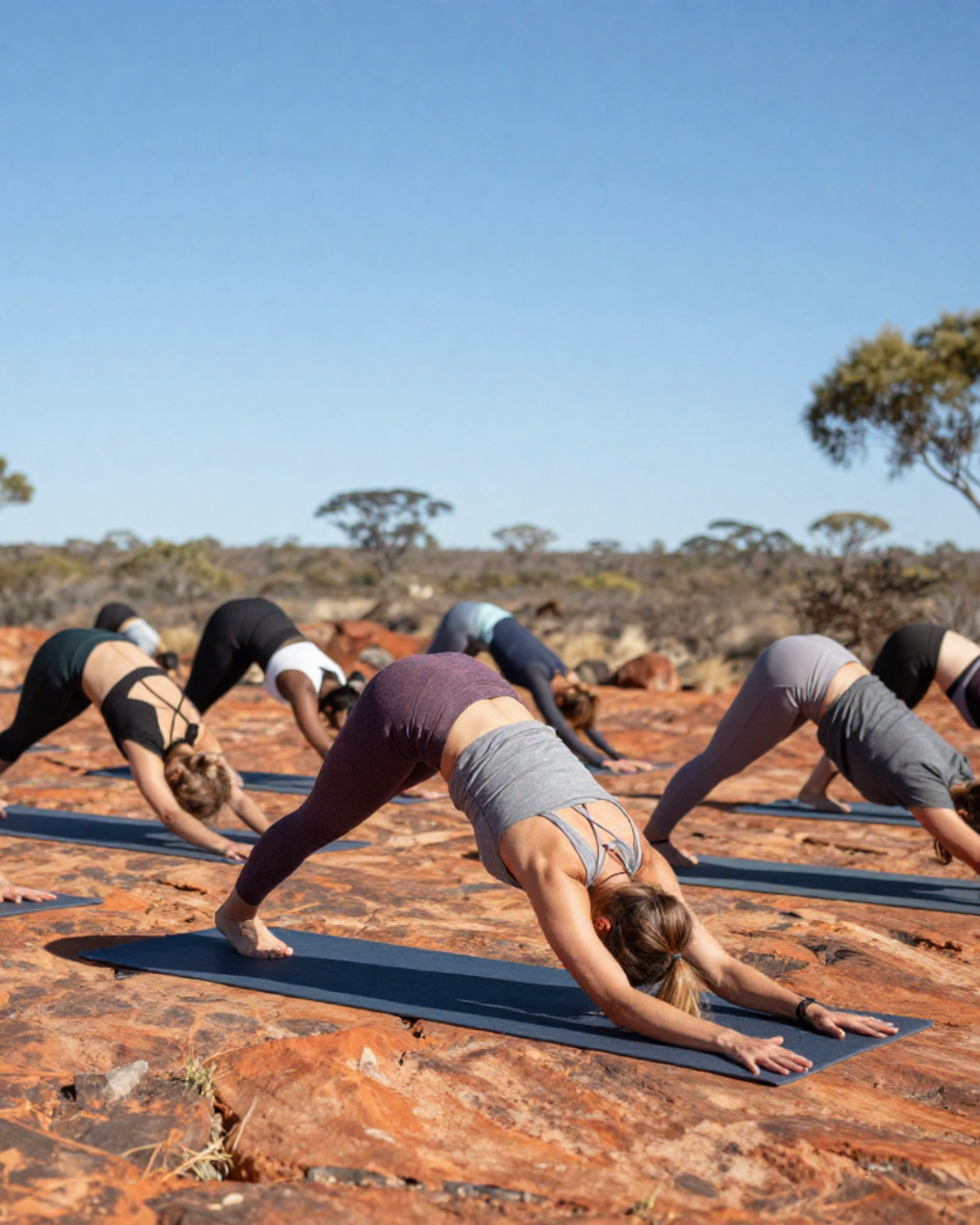
Images: Canva
Why the Psoas Matters: Nerves, Posture, and Stress
The psoas region is richly innervated. Nerves from the lumbar plexus (including branches that form the femoral and genitofemoral nerves) travel near or through the area. This proximity means irritation or tightness in the iliopsoas can sometimes contribute to groin pain, hip discomfort, or referred sensations along the front of the thigh.
Because the psoas attaches to the spine and works closely with the diaphragm, chronic tension is often linked to postural changes, restricted breathing, and a heightened sense of stress. Prolonged sitting, for example, can shorten the muscle, contributing to an anterior pelvic tilt and increased lumbar curve. Many somatic and movement practitioners describe the psoas as being involved in the body’s “fight-or-flight” response due to these connections.
Common Issues Associated with Psoas Tension
When the iliopsoas becomes tight, weak, or irritated (sometimes called psoas syndrome or iliopsoas-related pain), people may experience:
- Lower back pain, especially at the lumbosacral junction
- Groin or anterior hip pain
- Difficulty standing upright after sitting for long periods
- A feeling of tightness or compression in the hip joint
- Altered gait or knee discomfort due to compensatory patterns
- Restricted hip extension or a sensation of weak legs
Other symptoms sometimes mentioned in holistic contexts include digestive discomfort, menstrual cramps, or breathing changes. These can occur indirectly through postural shifts or chronic tension affecting the pelvis and core, but individual experiences vary widely. If you have persistent pain, consult a qualified healthcare professional such as a physiotherapist, doctor, or osteopath for proper assessment—self-diagnosis can miss other contributing factors.
Note on broader associations: In Traditional Chinese Medicine and somatic practices, the psoas area is sometimes linked to deeper imbalances involving stress, digestion, menstrual health, or emotional patterns. As Dr. Melody Walford, a Doctor of Chinese Medicine, has written:
“Other common disharmonies associated with the psoas muscles are: low back pain, hip pain, digestive irregularities, menstrual disharmony and pain, infertility, and emotional imbalances. Although this cannot be proven with scientific evidence, there are large bodies of eastern knowledge that support [it].”
These perspectives can offer valuable complementary insights alongside evidence-based movement and manual therapy.
The psoas major benefits from gentle hip flexor lengthening. A classic approach is a low lunge (or runner’s lunge) or Warrior I pose (Virabhadrasana I).
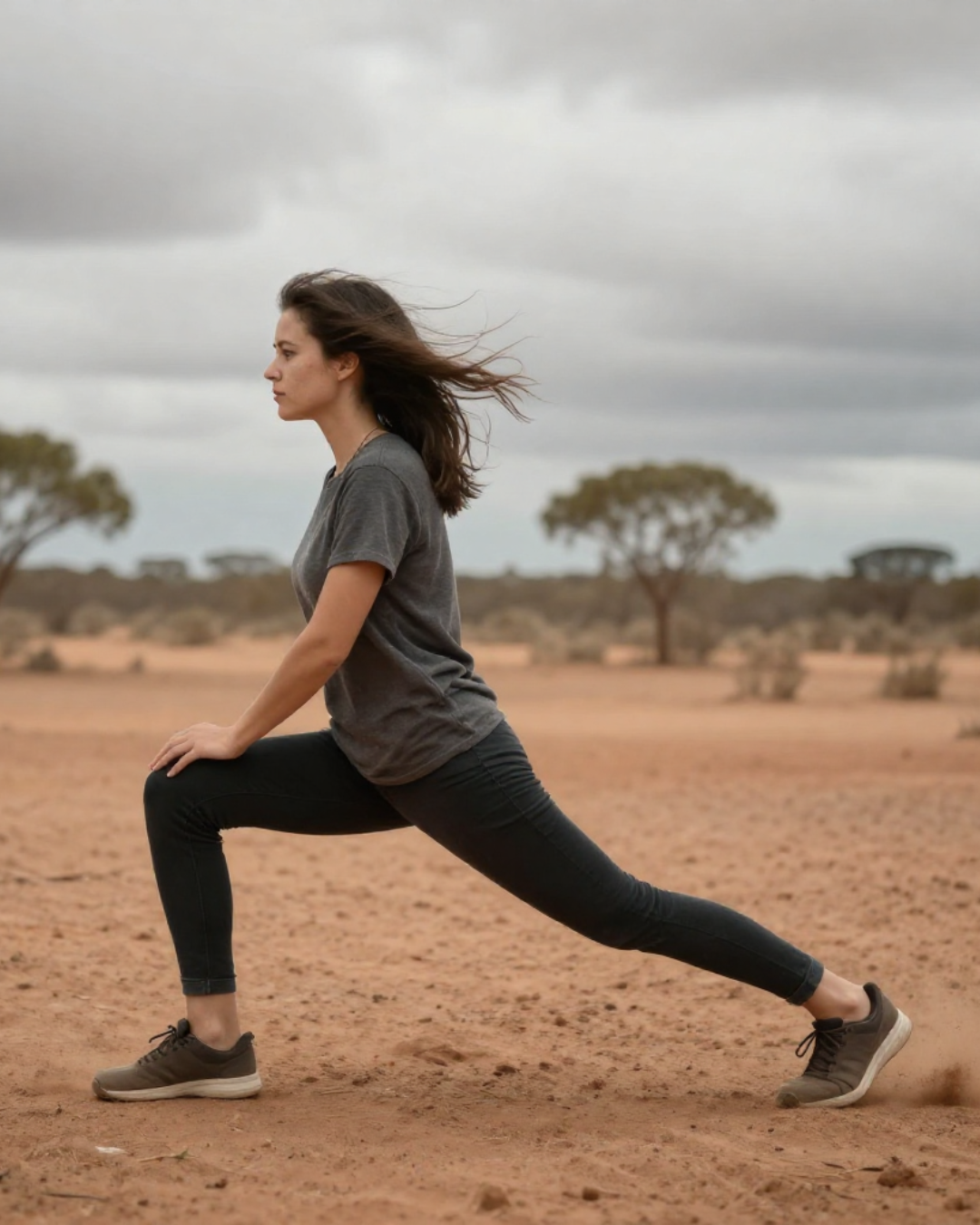

Images: Canva
Key alignment cues for safety and effectiveness:
- Keep the hips relatively square (facing forward).
- Avoid excessive arching or thrusting the lower back forward.
- Engage the core lightly and tuck the tailbone slightly to create space in the lower back.
- Focus on the back leg’s hip flexor stretch while maintaining a stable, neutral pelvis.
Hold for 30–60 seconds per side, breathing deeply, and repeat 2–3 times. Always move mindfully and stop if you feel sharp pain.
Strengthening the Psoas and Hip Flexors
While many people focus on stretching tight hip flexors, balanced strength is equally important. Over-emphasising one without the other can lead to imbalances.
Boat Pose (Navasana) is an excellent way to engage the deep hip flexors, including the psoas major, while also activating the core. Start with knees bent if needed, and focus on lifting the chest and legs while keeping the spine long. Build duration gradually.
Other supportive practices include controlled leg lifts, marching in place, or exercises that promote posterior pelvic tilt and glute activation to counter anterior tilt patterns.
Important caution: The psoas has multiple connections to the spine, pelvis, and surrounding muscles. Strengthening or stretching should be approached thoughtfully to avoid unintended strain on the lower back. A balanced routine that includes core stability, glute work, and mobility is ideal.
Resources for Deeper Exploration
Liz Koch’s book The Psoas Book remains a popular resource in somatic and bodywork communities. It offers practical suggestions for building awareness and resilience in the iliopsoas through gentle movement, constructive rest positions, and embodied exploration.
Final Thoughts
A healthy psoas supports fluid movement, good posture, and overall core stability. Regular, mindful movement—combined with attention to sitting habits and stress levels—can make a significant difference. Listen to your body, prioritise proper form, and seek professional guidance if pain persists.
This article is for educational purposes only and is not a substitute for personalised medical or therapeutic advice.
References:
Burke Harris, N. (n.d.). How childhood trauma affects health across a lifetime | TED – YouTube. Retrieved March 29, 2026, from https://www.youtube.com/watch?v=95ovIJ3dsNk
Gessel, N., LCSW, & E-Ryt 500. (n.d.). The Psoas Muscle: How it Holds onto Trauma and How to Let it Go, with Yoga. The Trauma-Conscious Yoga Institute. Retrieved January 28, 2026, from https://traumaconsciousyoga.com/psoas/
National Library of Medicine. (n.d.). Anatomic connections of the diaphragm: Influence of respiration on the body system—PMC. Retrieved March 29, 2026, from https://pmc.ncbi.nlm.nih.gov/articles/PMC3731110/
The Psoas Muscle: The Myofascial Lines, Sympathetic Nervous System, and Meridian Interaction. (n.d.). Dr. Melody Walford. Retrieved January 28, 2026, from https://drmelodywalford.com/blog/the-psoas-muscle
Yoganatomy. (n.d.). The Psoas Muscle: Ultimate Guide Updated To This Muscle. Retrieved March 29, 2026, from https://www.yoganatomy.com/psoas-muscle-ultimate-guide/#h-what-s-happening-with-my-psoas
Cleveland Clinic. (2024, February 9). Psoas muscle: What it is, where it is & anatomy. https://my.clevelandclinic.org/health/body/psoas-muscle
Dydyk, A. M., & Sapra, A. (2025). Psoas syndrome. In StatPearls. StatPearls Publishing. https://www.ncbi.nlm.nih.gov/books/NBK551701/
Physiopedia. (n.d.). Psoas major. Retrieved March 29, 2026, from https://www.physio-pedia.com/Psoas_Major
Siccardi, M. A., Tariq, M. A., & Valle, C. (2023). Anatomy, bony pelvis and lower limb: Psoas major. In StatPearls. StatPearls Publishing. https://www.ncbi.nlm.nih.gov/books/NBK535418/
Walford, M. (2019, March 11). The psoas muscle: The myofascial lines, sympathetic nervous system, and meridian interaction. Dr. Melody Walford. https://drmelodywalford.com/blog/the-psoas-muscle

 yondayoga.com